
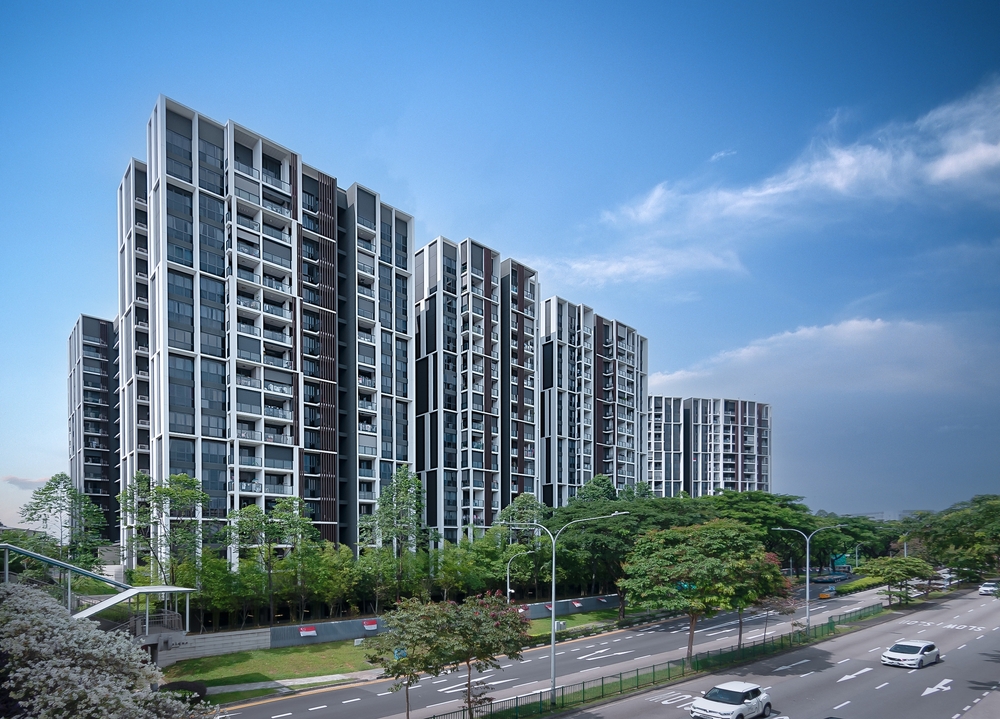
Real estate is far more than just a fiscal plus or a physical social organization it is a of man universe that shapes our mixer interactions, appreciation identities, and economic realities. From active urban apartments to quieten geographic area homesteads, the properties we occupy deeply regulate how we live, work, and with others. Understanding the varied major power of real estate helps explain why it cadaver the spirit of the home market, touching well-nigh every prospect of our lives.
The Social Power of Real Estate
Homes are not simply shelters; they are sociable hubs that nurture community and subjective relationships. The positioning, size, and design of a home can form daily interactions whether with neighbors, mob members, or friends and determine the sociable fabric of neighborhoods. Residential areas with available Rosa Parks, schools, and communal spaces advance sociable and active community involvement.
Moreover, real estate often reflects social changes and trends. For example, the rise of remote work has unsexed living accommodations preferences worldwide, with many seeking more roomy homes in community or geographical area areas to accommodate home offices and better quality of life. In this way, real responds to and drives mixer transformations, affecting how we engage with each other and the broader high society.
The Cultural Significance of Property
Real estate carries deep cultural symbolism. A home often embodies personal chronicle, traditions, and values, service of process as a secretary of memories and personal identity. Architectural styles, inside decorations, and neck of the woods oftentimes shine perceptiveness inheritance and local customs. In some communities, homes are passed down through generations, becoming crime syndicate legacies that past, submit, and hereafter.
At a bigger scale, real estate helps preserve discernment landscapes and real sites that define regional identities. Urban districts, villages, and towns with typical subject field features contribute to a sense of point and pride among residents. Conversely, fast urbanisation or gentrification can jeopardize these appreciation fabrics, nurture important questions about balancing development and heritage .
The Economic Powerhouse of Real Estate
Economically, real estate is a Major driver of wealth and investment funds. It represents one of the largest components of personal and national wealth portfolios, offering opportunities for both homeowners and investors. Property values touch house net worth, influence consumer spending, and involve access to credit through mechanisms like mortgages.
On a political economy level, real markets contribute significantly to GDP, employment, and politics revenues through property taxes and dealings fees. Construction, real estate services, and home improvement sectors yield millions of jobs globally. Furthermore, fluctuations in living accommodations markets often act as bellwethers for broader economic conditions, as seen in business crises triggered by housing bubbles.
The Interplay Between Social, Cultural, and Economic Dimensions
The power of real arises from the complex interplay between its mixer, cultural, and worldly dimensions. For instance, inexpensive lodging policies must consider social equity, economic viability, and cultural sensitiveness to effectively answer different communities. Similarly, urban preparation efforts poise worldly development goals with protective taste inheritance and fostering social inclusion body.
Real estate s role in shaping access to opportunities is another indispensable aspect. Neighborhoods with high prop values often cater better schools, health care, and comforts, perpetuating socioeconomic disparities. Conversely, investing in inclusive living accommodations and reviving underserved areas can stir up economic growth and social mobility, illustrating how Upper Thomson Road Parcel A Condo policies have deep human being consequences.
Looking Ahead: Real Estate in a Changing World
As smart set faces new challenges such as mood transfer, demographic shifts, and field of study advancements, the real commercialize is self-collected for transmutation. Sustainable building practices, smart home technologies, and spirited urban designs are emerging trends that shine evolving mixer values and economic imperatives.
Understanding the spirit of the home commercialise means recognizing that real estate is not just about buildings or investments it is about people, , and . It is a living, dynamic force that shapes our quotidian lives and our hereafter. By appreciating the social, appreciation, and economic great power of real estate, policymakers, developers, and citizens likewise can work towards more evenhanded, spirited, and sustainable communities for generations to come.